Finding Permission at the British Art Fair
On the exhibit that made me call myself an artist for the first time.
There is a particular kind of nerve required to walk into a contemporary art fair when you have never quite called yourself an artist.
I went to the British Art Fair at the Saatchi Gallery last autumn carrying that quiet hesitation — the one most painters working from their own studios know well. I had been making work for months. I had not been telling people that I made work. The distance between those two facts had become heavier than I expected to find it.
Then, somewhere between two booths, I stopped walking.
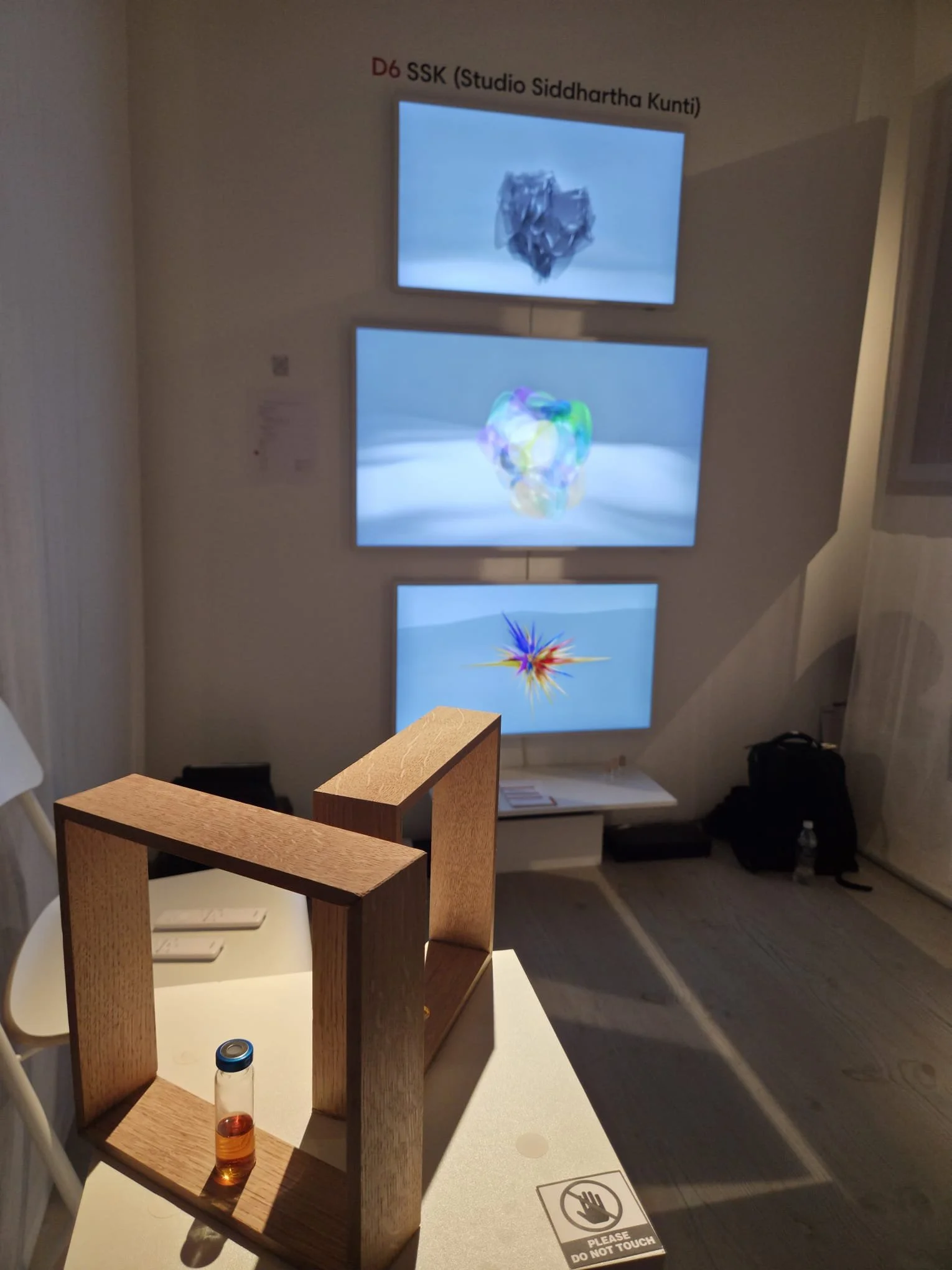
What stopped me was Siddhartha Kunti's Origins Molecular Symphony — 720 unique three-dimensional digital sculptures made by visualising what is normally invisible: the molecules that carry aroma, flavour, and scent. Animated by Eric Garcia at Luxmotion in Luxembourg, the sculptures moved as molecules actually move — drifting, colliding, resolving into shape. Each piece was accompanied by a nano-tech scent card developed by the artist Sissel Tolaas, so the molecule you were seeing was, in the same moment, drifting into the air around you. And underneath all of it — invisible itself — sat the largest private GC-MS study ever conducted on spirits, led by Rodolphe de Hemptinne. Chemistry, technology, art, perfumery, science. All present. None dominating.
I stood for a long time.
What moved me was not the technical scale of it, though that was extraordinary. It was the freedom in it. The complete unconcern with whether what it was doing could be filed under any existing category. It was a fragrance project that was also a sculpture project that was also a science project that was also a digital animation. It refused the question of what it was.
I think a lot of beginning artists wait for permission. We wait for a gallery, a sale, a press mention, a notable collector — some external signal that finally announces you are allowed to call yourself this now. Standing in front of Origins Molecular Symphony, I understood, very clearly, that I had been waiting for the wrong thing.
That afternoon, in a quieter part of the gallery, I introduced myself as an artist for the first time.
It was clumsy. I qualified it. I said "well, I paint, but —" and trailed off. The person I was speaking to was kind enough not to laugh. But I said it. And the floor did not open up. The world, somehow, kept turning.
The rest of that story is short and still being written. I have shown work publicly. I have sold paintings to people I have never met. I have been named Artist of the Month somewhere good. None of it would have happened if I had not, on that particular afternoon at the Saatchi Gallery, decided that the permission I had been waiting for was a permission I could give myself.
If you are making something — and you have been quiet about it — consider this your gentle nudge.
For decades, fragrance houses have written elaborate narratives to help us imagine what a perfume smells like. Origins Molecular Symphony did something much braver. It made the molecule itself the artwork. There is a lesson in that, I think, for anyone wondering whether their work has to fit a familiar shape to count. It does not. The work counts because it exists. The artist exists because they call themselves one.
The British Art Fair returns to the Saatchi Gallery this September. I'll be there again. This time, I'll know what to say when someone asks what I do.
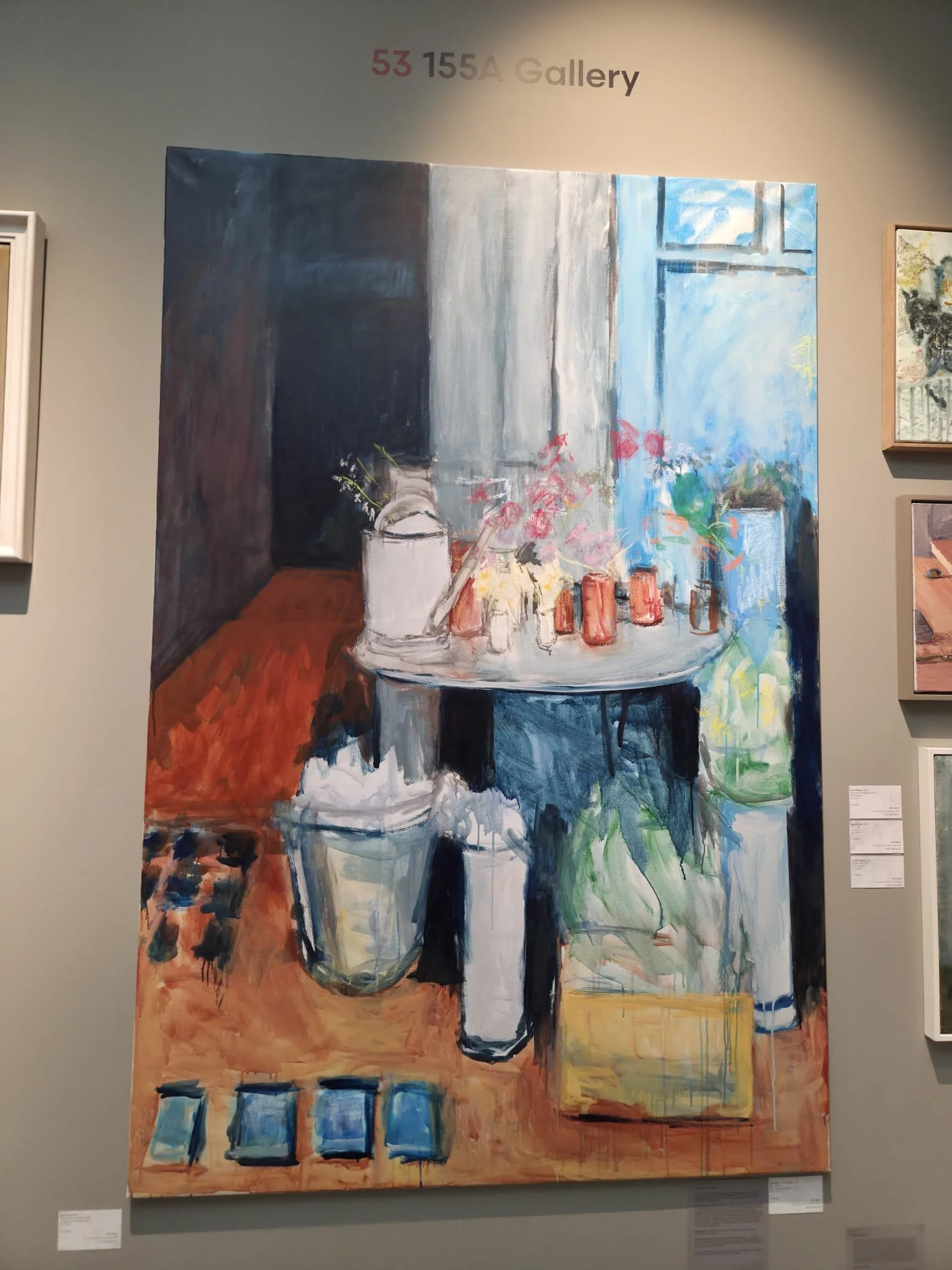
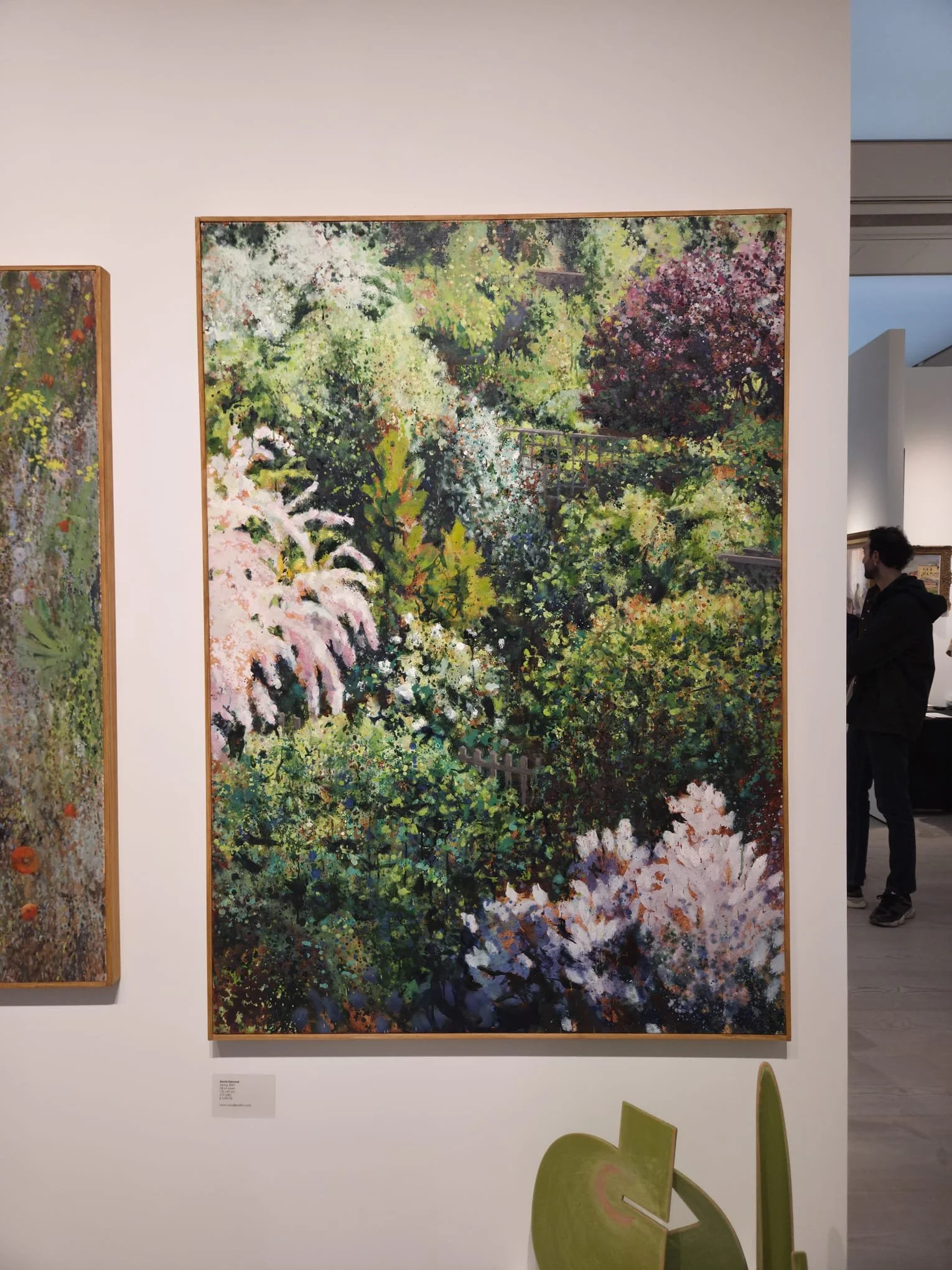
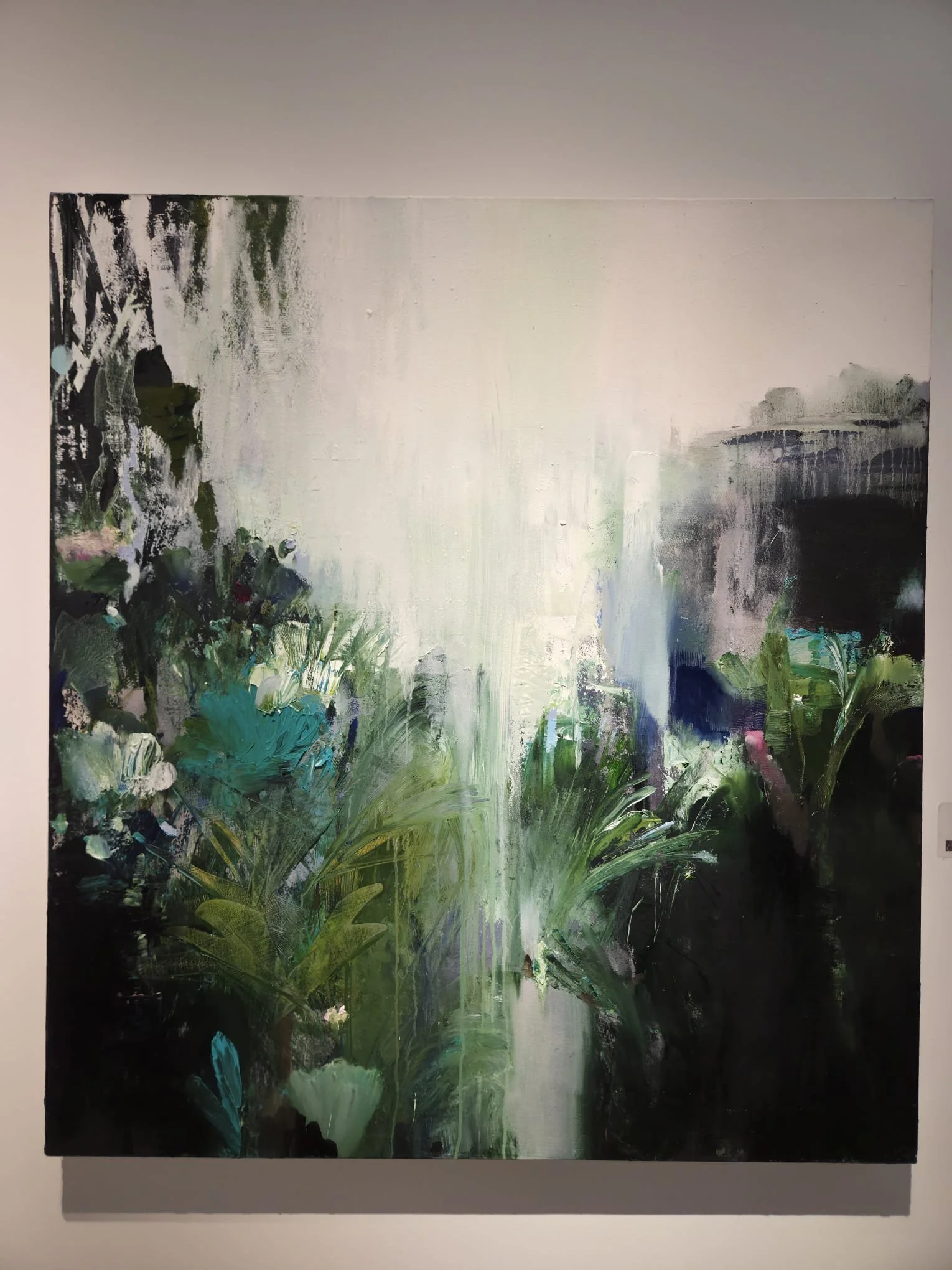
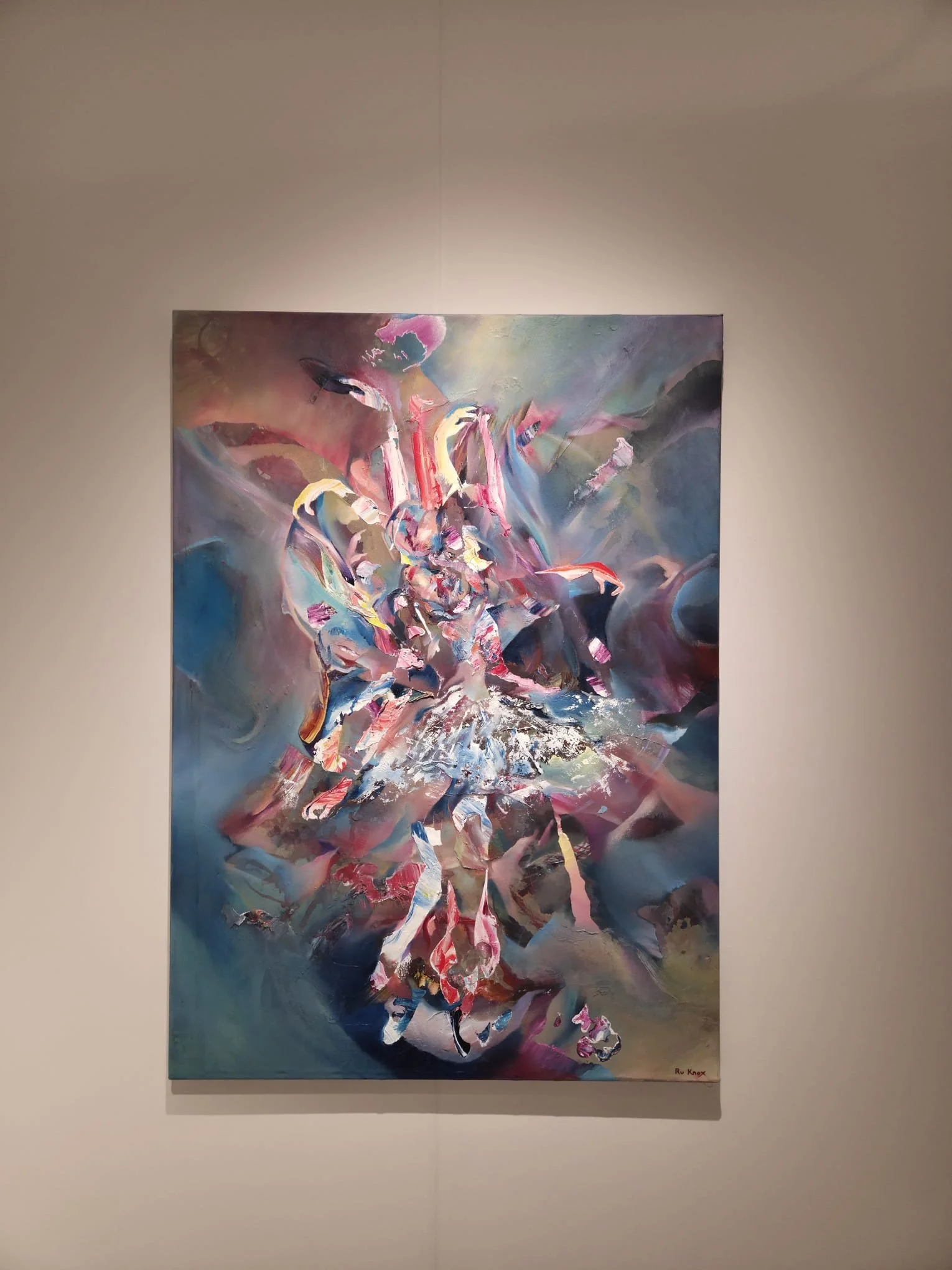
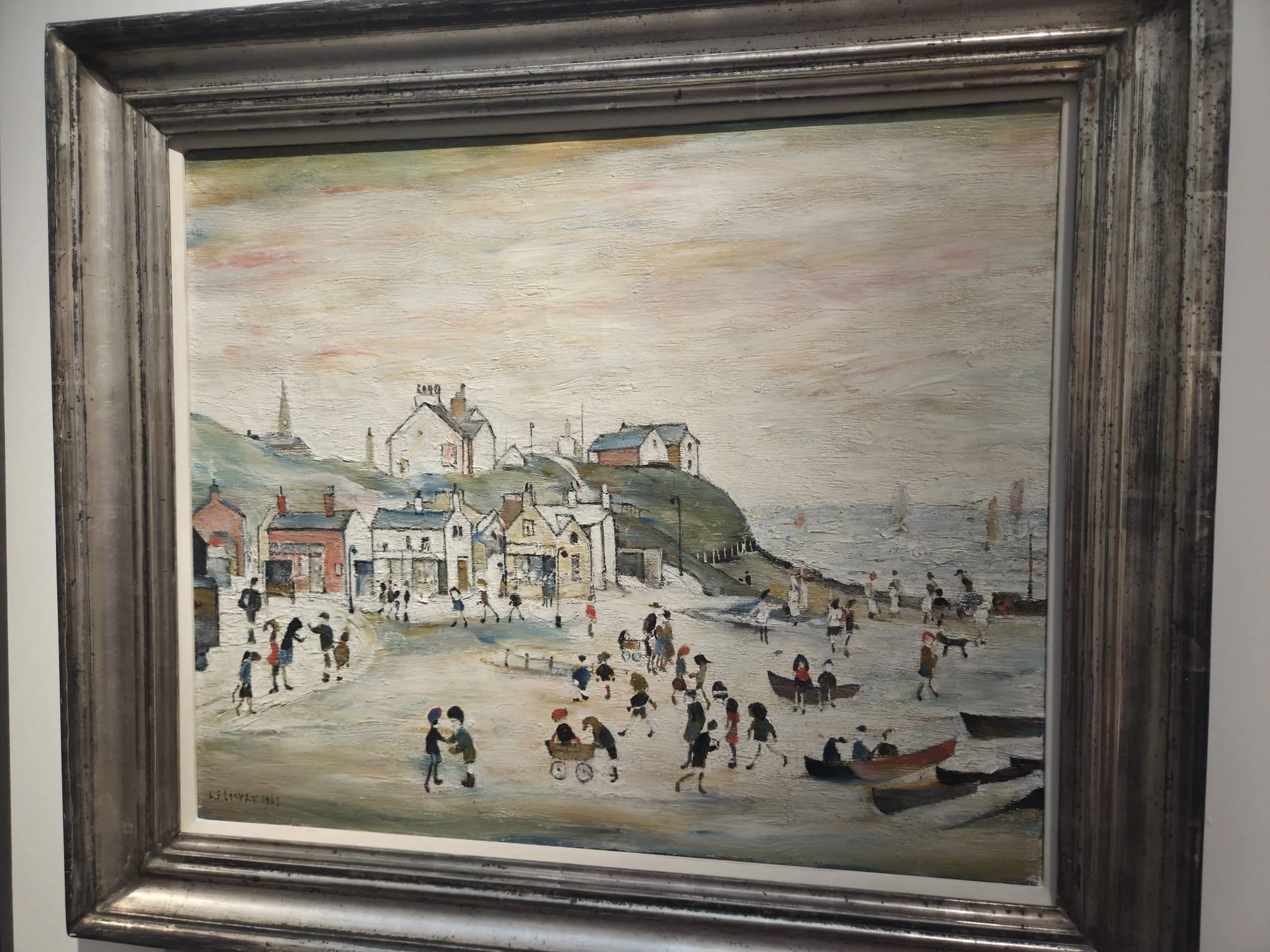
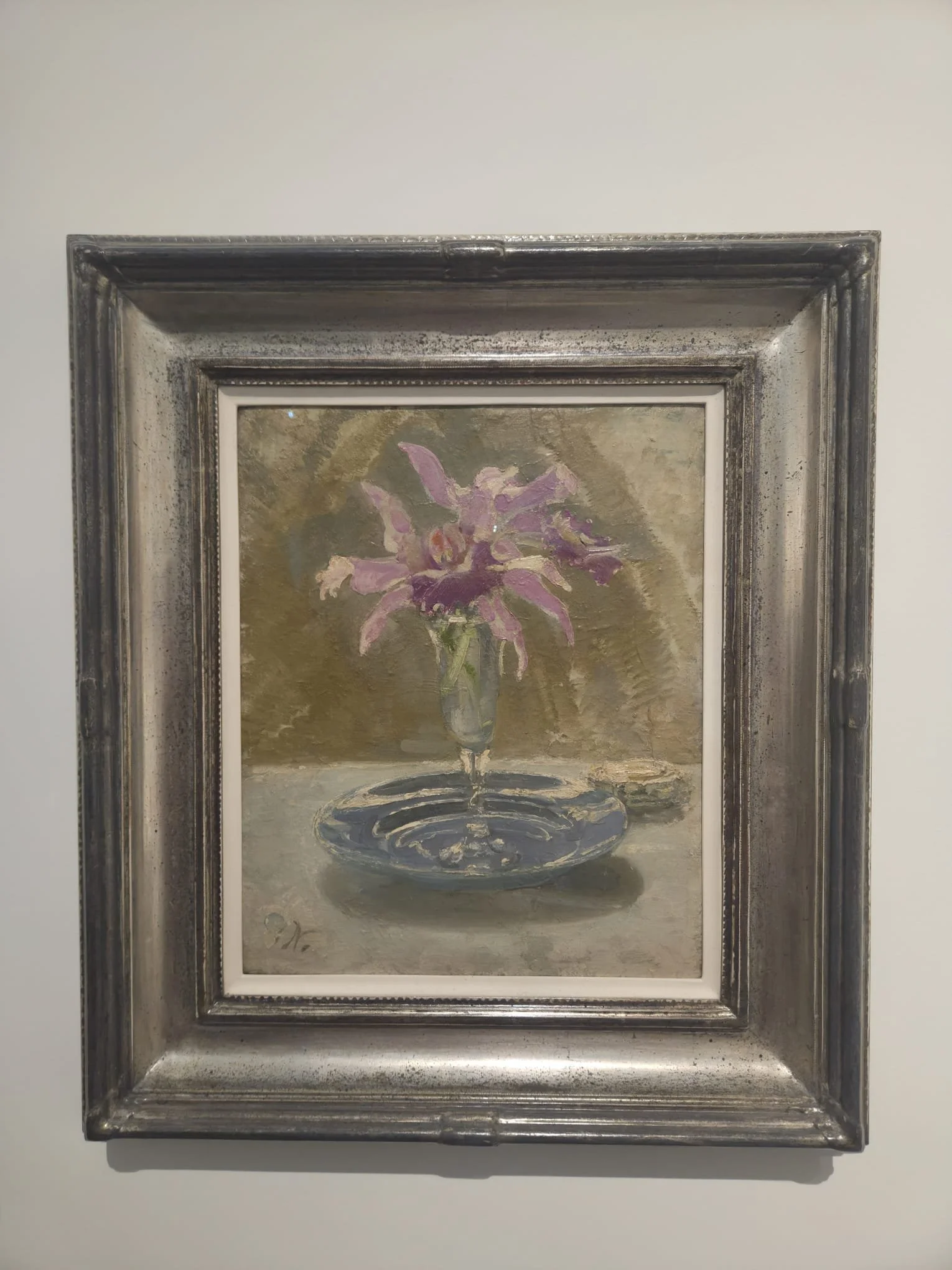
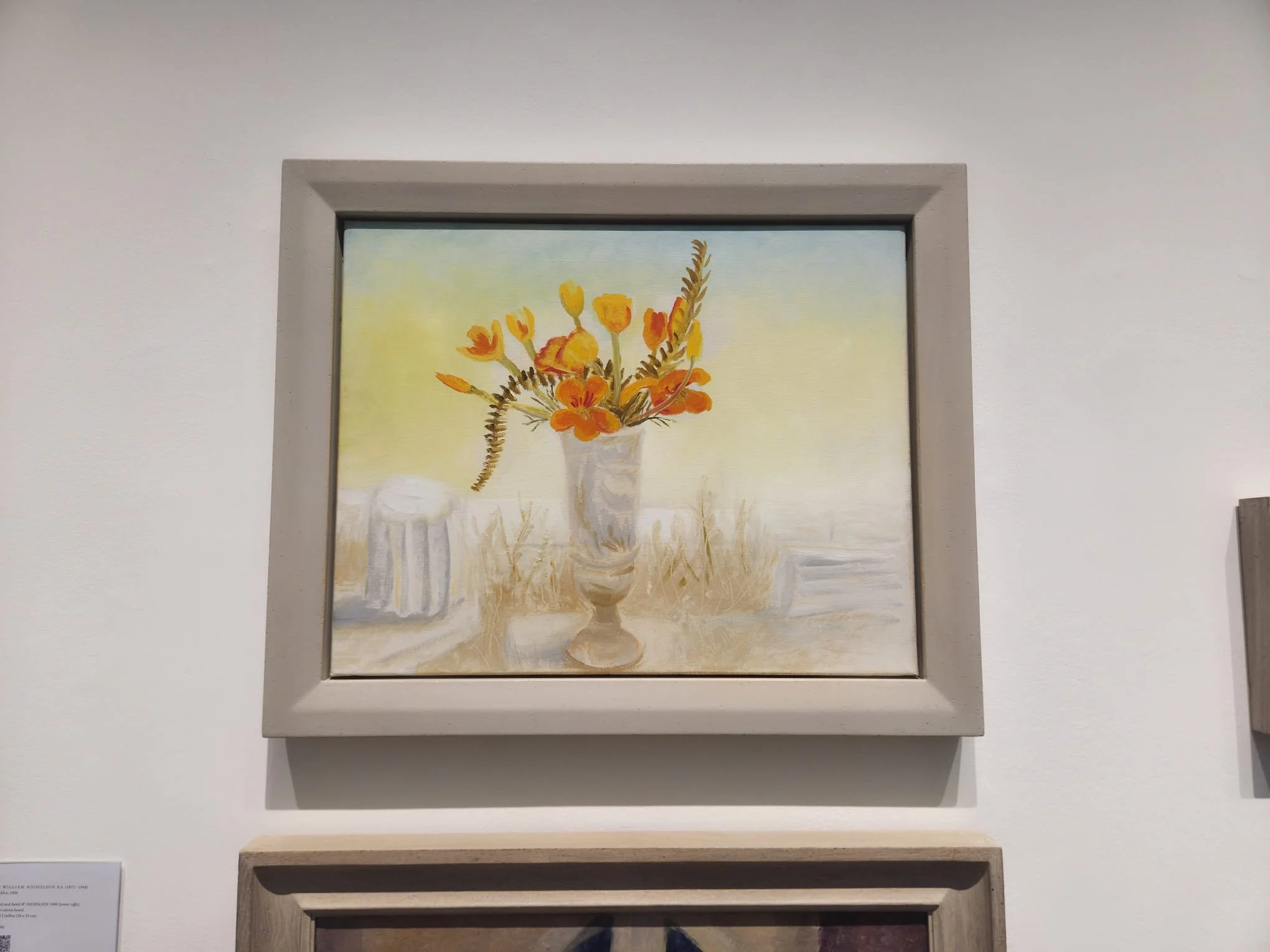
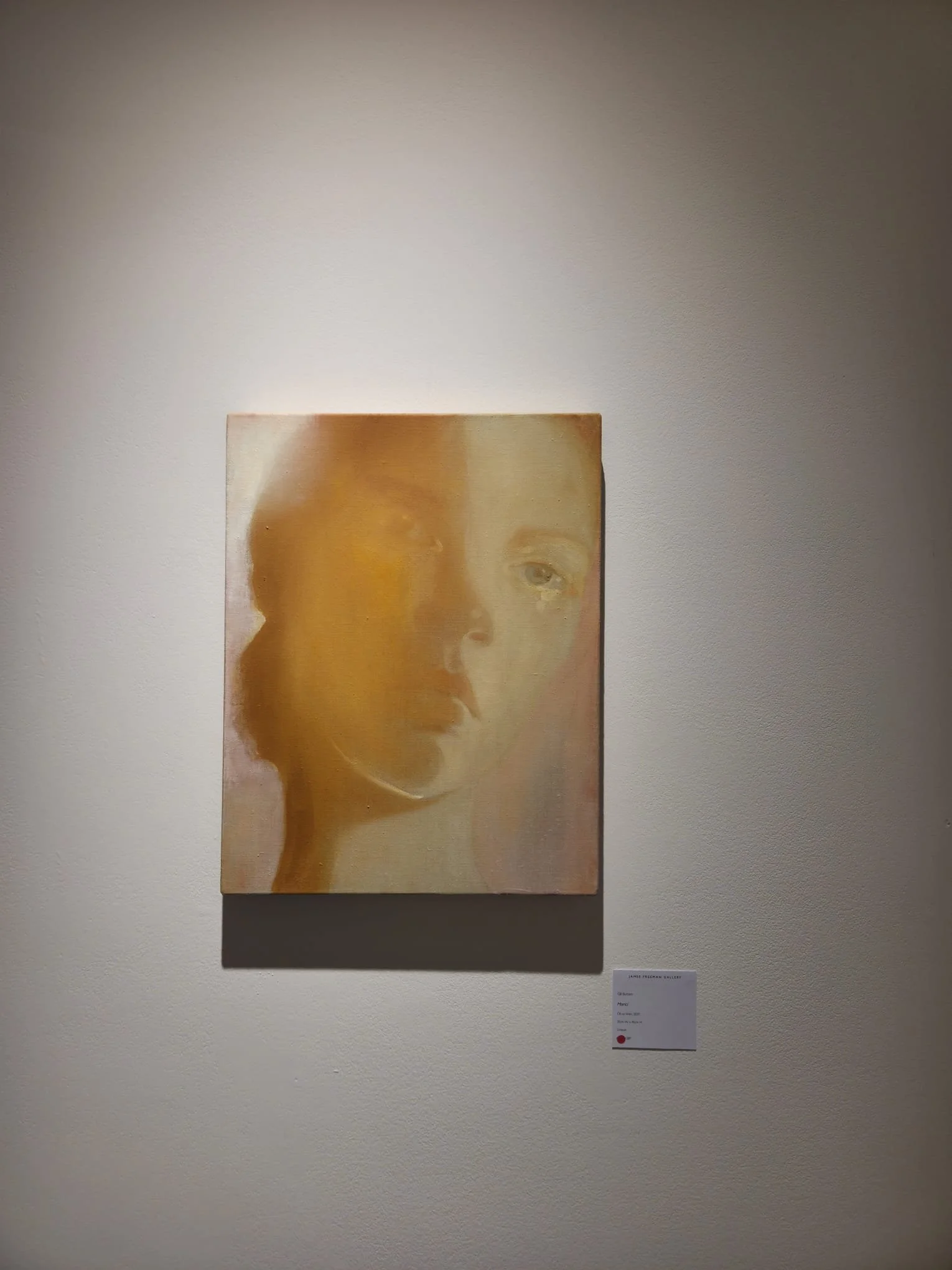
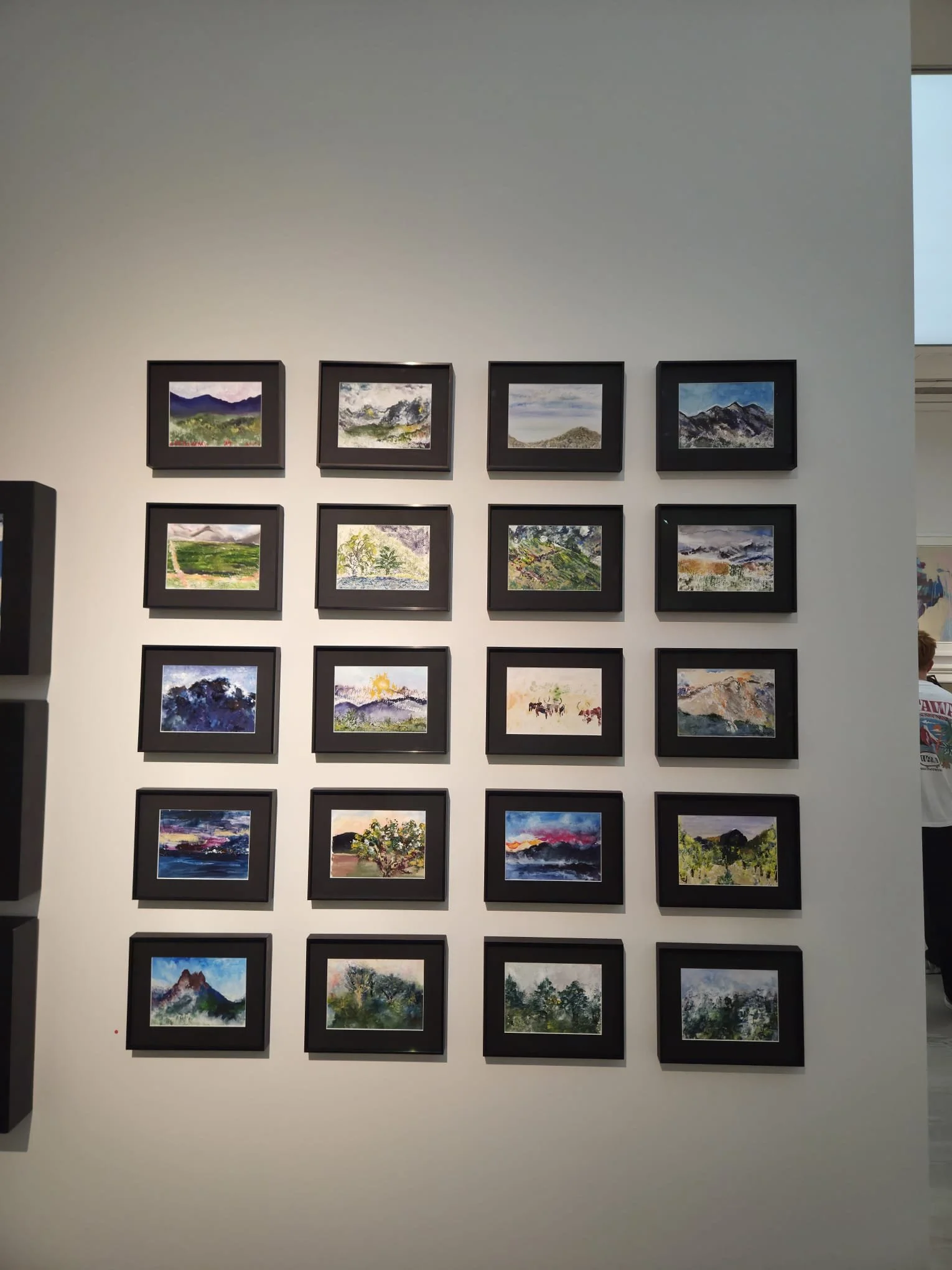
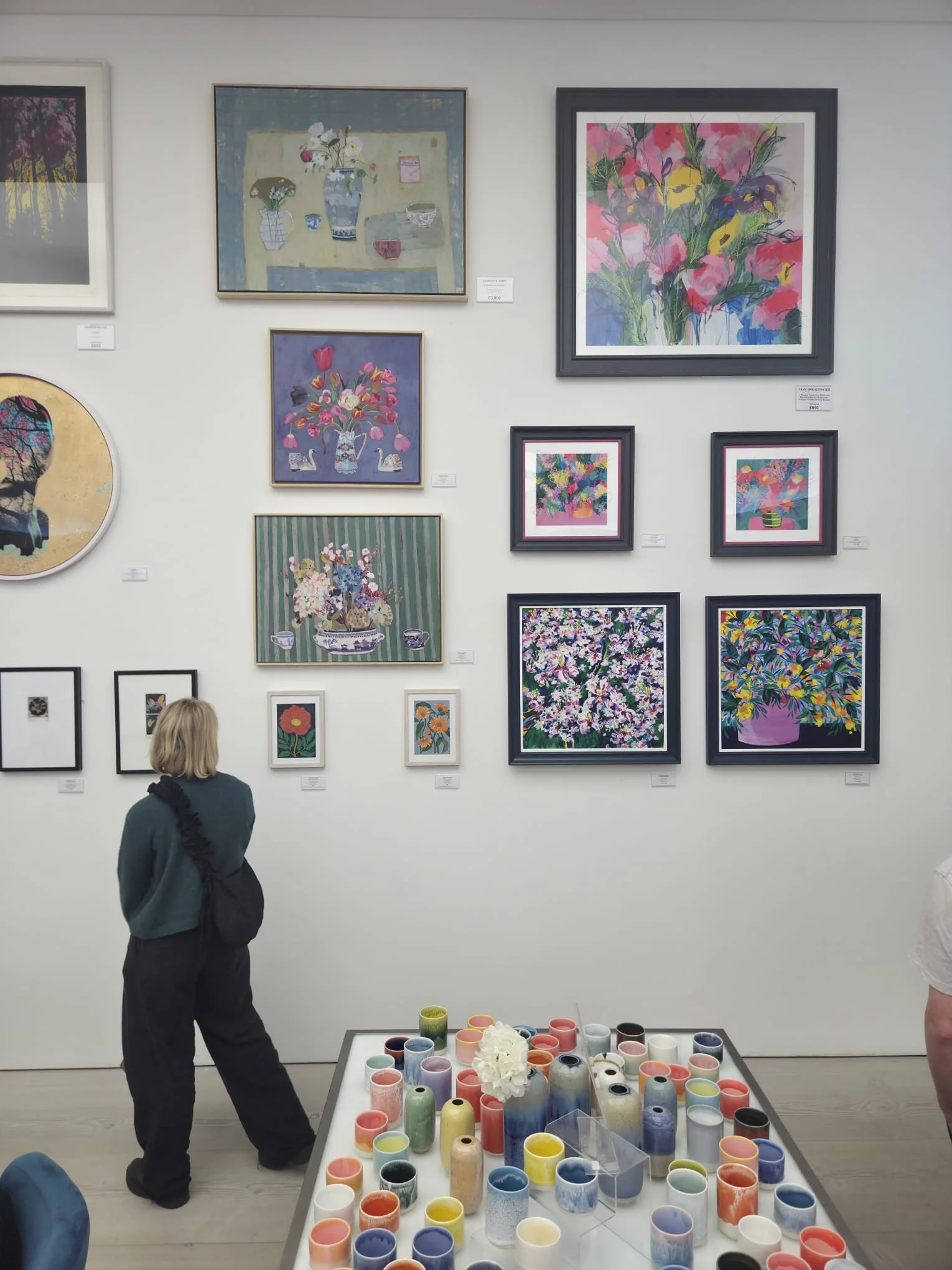
Here are a few pics of my personal highlights: