Where the Colour Comes From
On a weekend with two artist friends, a park in autumn, and the painting that came out of it.
Most of what I do happens alone. The studio is a quiet, particular kind of solitude — necessary, but never quite enough on its own. Painting requires something to paint from, and that something has to come from somewhere outside the four walls where I work.
This autumn I spent a weekend with two close friends — both artists, both running their own creative practices — for what we decided to call a recharge. None of us had quite admitted, when we planned it, that we were running on fumes. By the time we arrived, we all knew.
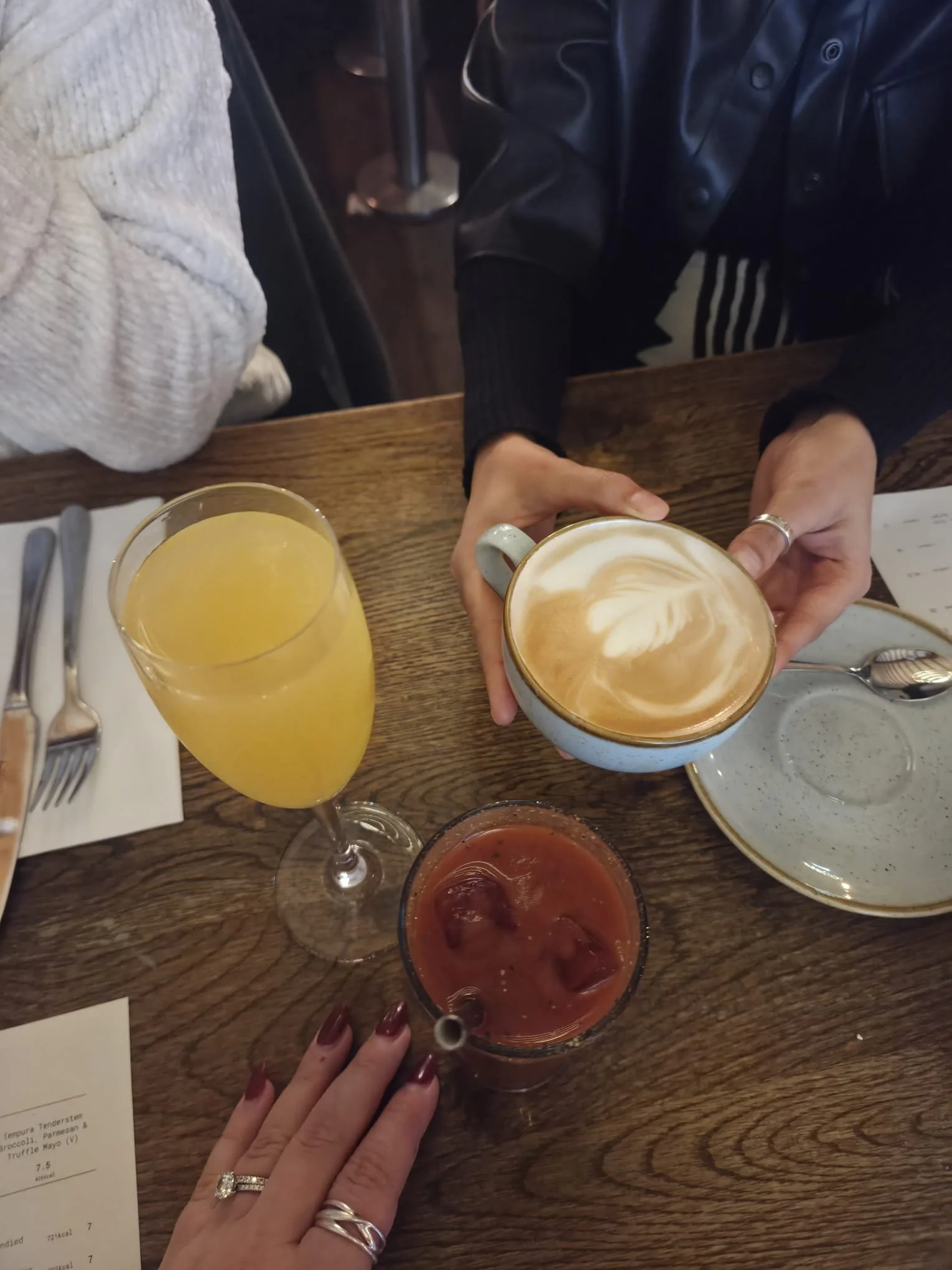
What we did was unremarkable on paper. We painted, sometimes side by side at the same table. We laid out tarot cards on the kitchen counter and read for each other, half-serious, half-laughing, occasionally moved by something a card seemed to know about us before we did. We walked — long walks, hours at a time, through a park I had not visited before. We talked about work and we talked around it. We cooked badly and ate well. We watched the light change.
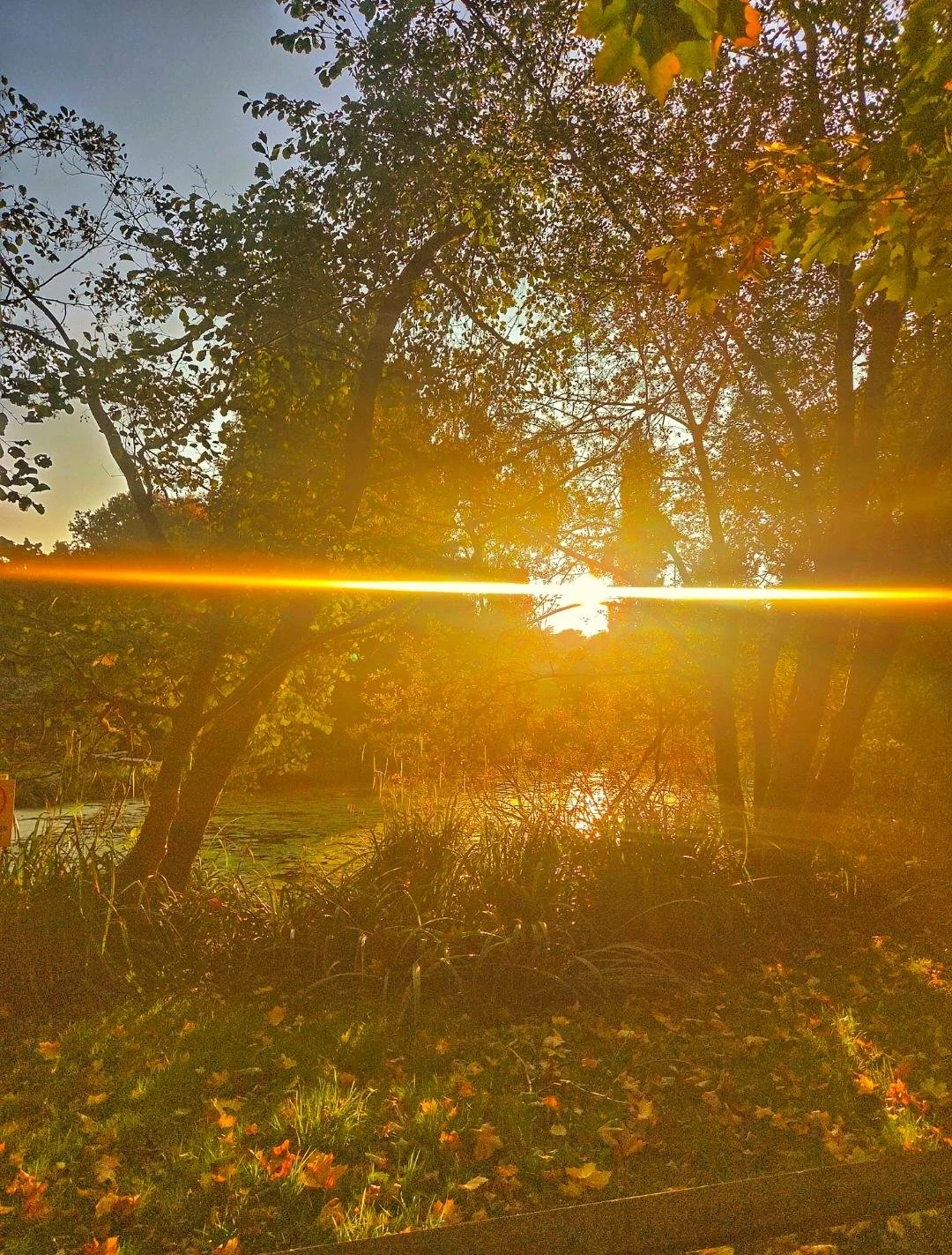
On the last afternoon, the sun came out for an hour after a day of grey. We were walking through a section of the park where the leaves had fallen but not yet been raked, and the light caught them all at once — every shade of gold, copper, ochre, burnt sienna, and the deep red-brown that has no proper name. The trees still holding their leaves looked lit from inside. We stopped, all three of us, without discussing it. We stood for a long time.
I have always known, in the abstract, that nature is where colour comes from. Every pigment in my studio was, at some point, an attempt to translate a thing seen in the world. But standing in that particular hour, on that particular afternoon, I understood it again in a way that felt new. The palette in front of me was richer than anything I had mixed in months. The work I had been struggling with back home was struggling, I realised, because I had been trying to find colour from inside my own head.
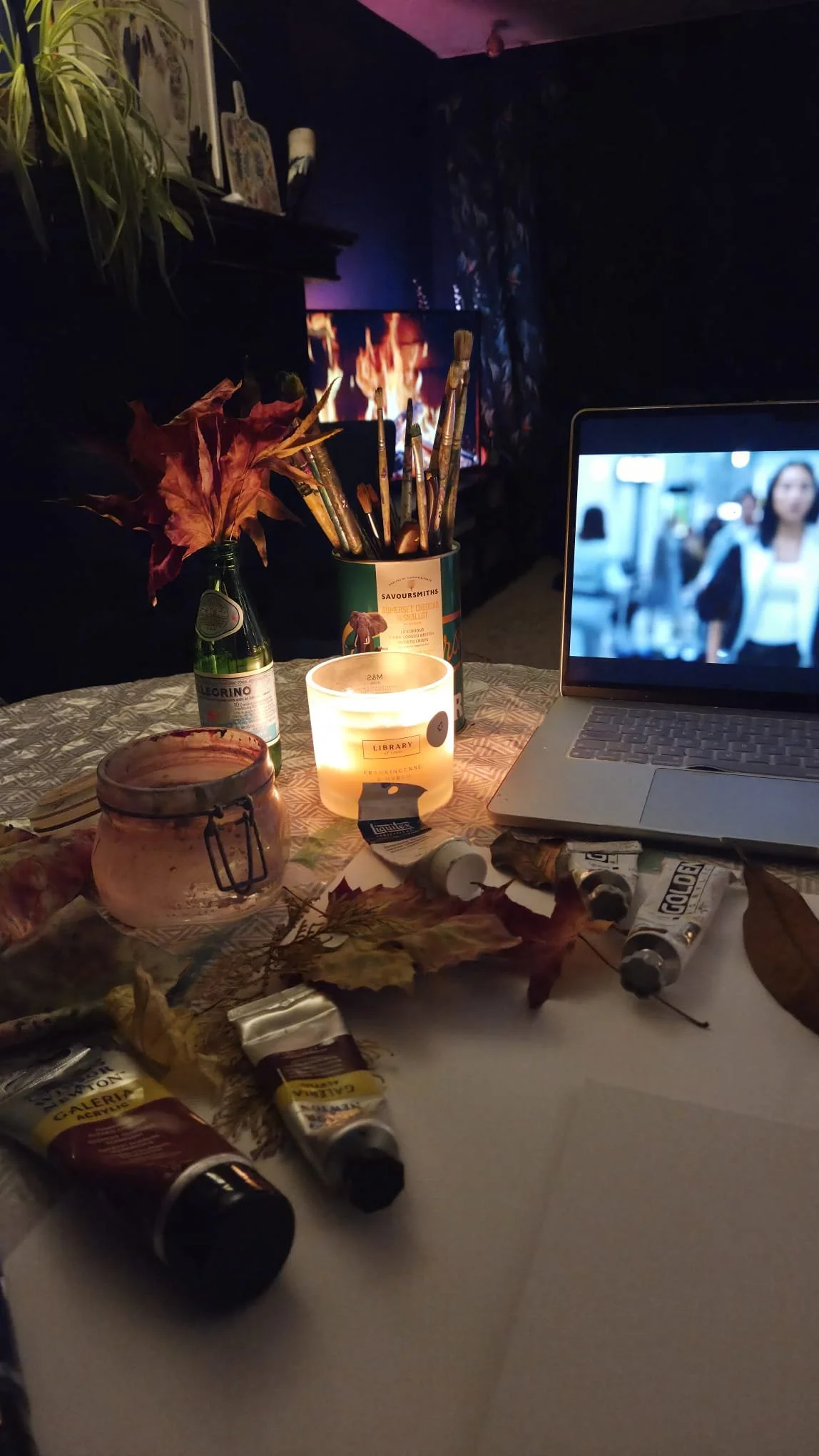
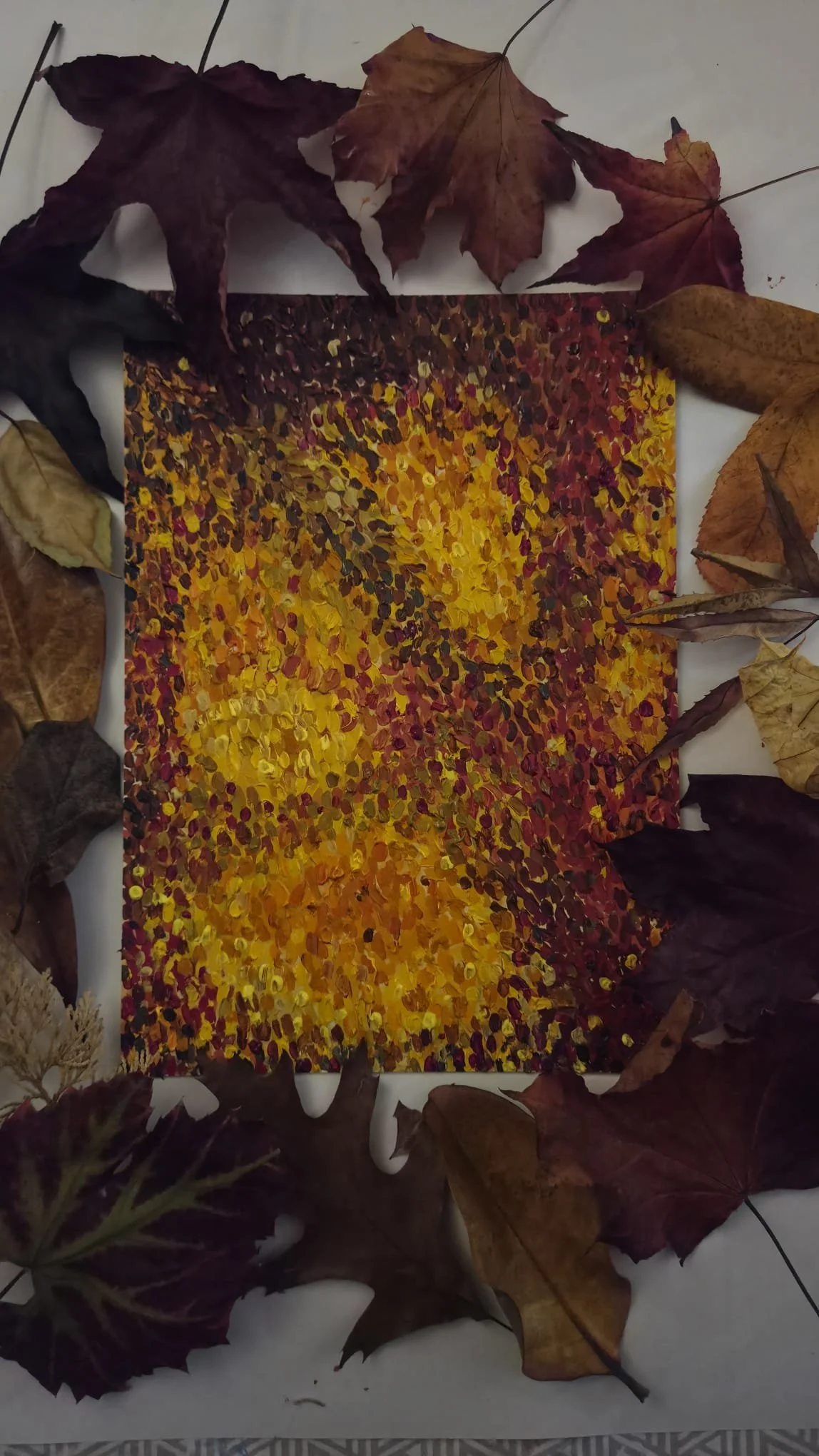
Back home, I made a small study from it — nothing formal, no title, an hour or so most evenings after work with a TV series running quietly in the background. Acrylic on a small canvas in the colours of that afternoon: gold, copper, ochre, and the deep red-brown that has no proper name. I will probably never finish it in any official sense, and I do not need to. It sat on my easel for a week. I looked at it every day. It changed what I wanted to make next.
But the study, in a sense, is the easier story to tell. The harder one — and the more important one — is what the weekend itself gave me. The reminder that solo practice depends, more than I want to admit, on company. That you cannot paint generously if you are running empty. That fellow artists, even ones who work in entirely different media, can refill something in you that nothing else can. That sometimes the work happens when you are not making any.
There is something else the weekend gave me too, which I have been turning over since. Time to think strategically with people who understand what it is to make and sell creative work at the same time. Being an artist and running a small business is its own particular tax — especially if the people in your everyday life work in different worlds. They are kind about your practice, but they cannot, through no fault of their own, help you think through whether a commission is priced fairly, or whether prints should sit alongside originals, or how to talk about your own work without flinching. Two days of going deep with people who can — who run their own creative practices, who have made the same hard decisions — is a kind of gold mine. It does not happen often. When it does, it is always a treat.
If you are an artist reading this, particularly one working alone — make the time. Find one or two friends who understand what you do, even loosely. Walk somewhere you have not walked. Look at the light. Trust that the studio will be there when you get back, and that something will be in your hands when you return that was not in your hands before.
The painting will tell you the rest.